
D03 · Deep dive
The 5 Design Principles Behind a Privacy Travel Kit
Nothing loads from YouTube until you press play. The video then plays in YouTube’s privacy-enhanced mode.
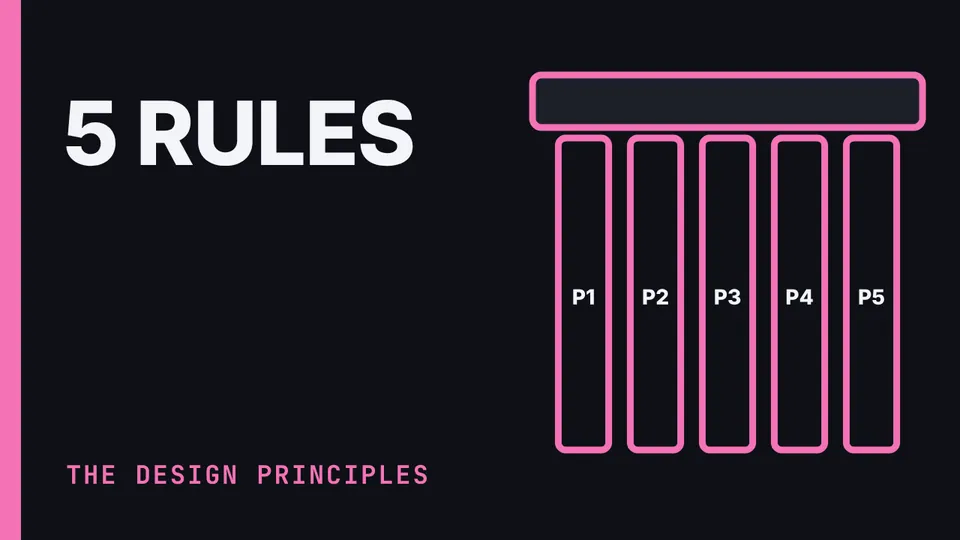
A deep dive into the five principles behind every component of the Communication Suite. P1: identity lives at the account layer, not the hardware layer, so swapping the phone but keeping the number changes almost nothing. P2: sever identity where it's created, once, on neutral ground: the first tower attach, account births and purchases. P3: enforcement belongs at the endpoint, not the perimeter. P4: minimise the number and lifetime of persistent identifiers. P5: the best-defended kit is the one not worth examining. One worked example for each (reuse, the build order, the phone's always-on VPN, the rotation policy and the Faraday bag), then five tempting shortcuts and the principle each one breaks.
What you’ll learn
- Know P1–P5
- See each principle drive a concrete decision
- Use them to judge changes to the kit
Chapters
The honest limits
The kit these principles build is data-minimised, not anonymous: Cape has a payer of record, and the IMEI is permanent. The phone's VPN profile wasn't validated in the hotel test lab.